

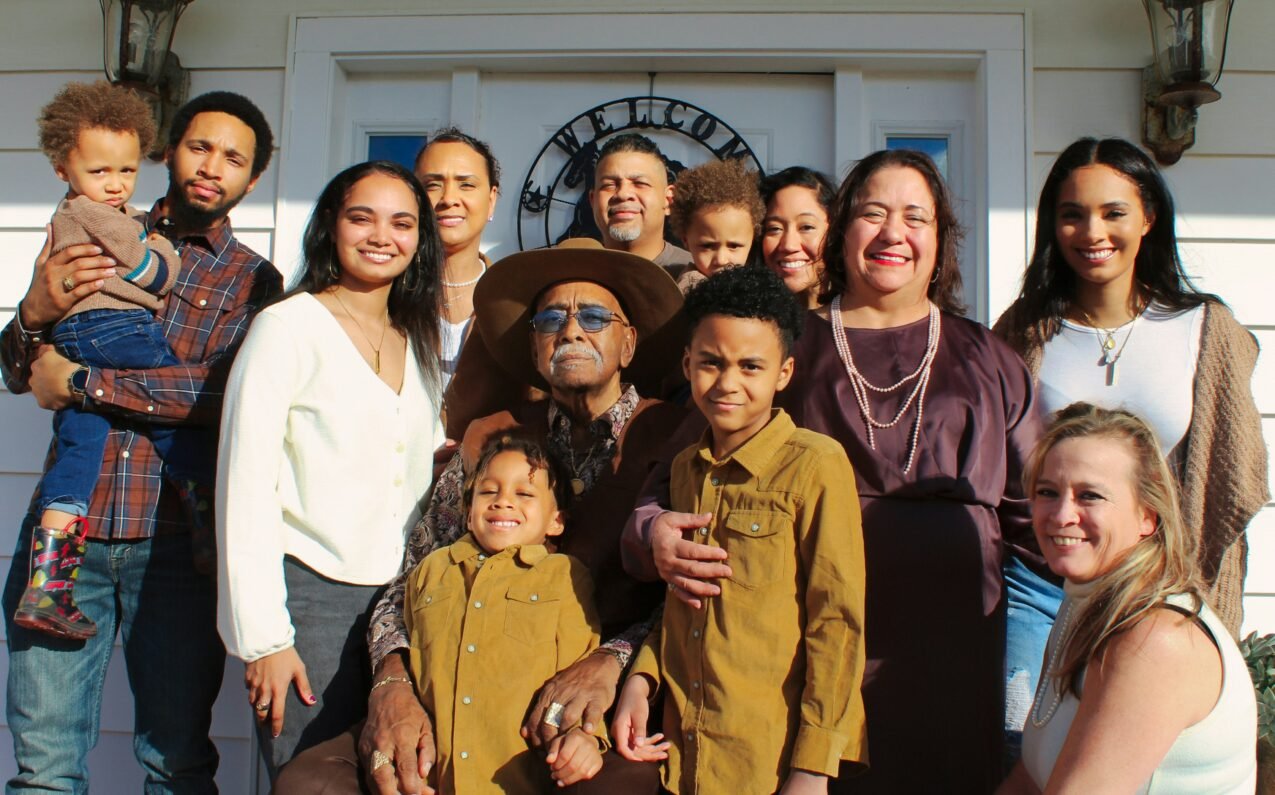

Dr. Bryan explores what it means to be Afrolatino and Afroindigenous in a world that demands you choose. Drawing from personal experience and clinical practice, this piece examines how colonialism engineered systems of erasure through mestizaje and blanqueamiento, and how that erasure lives on in our families, our communities, and our sense of self.

Dr. Bryan examines why traditional therapy often misses BIPOC communities, drawing from clinical, teaching, and community-based work. This piece explores how culture is pathologized, trauma is individualized, and racism is minimized in the therapy room, while naming what actually supports healing through culturally responsive, decolonial, and race-conscious care.
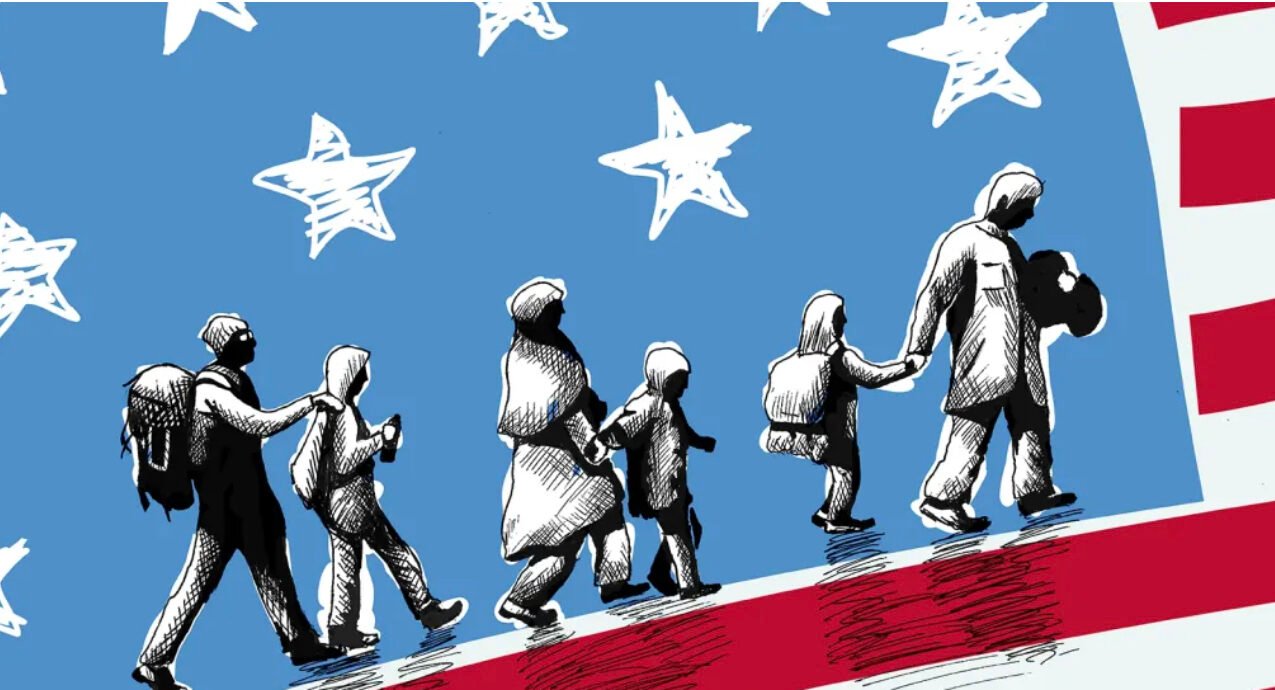
Dr. Bryan reflects on the fear and weaponization of denaturalization, drawing from personal experience as a former undocumented immigrant and naturalized citizen. This piece explores how citizenship is used as a tool of control and urges collective action to protect immigrant communities and democracy.
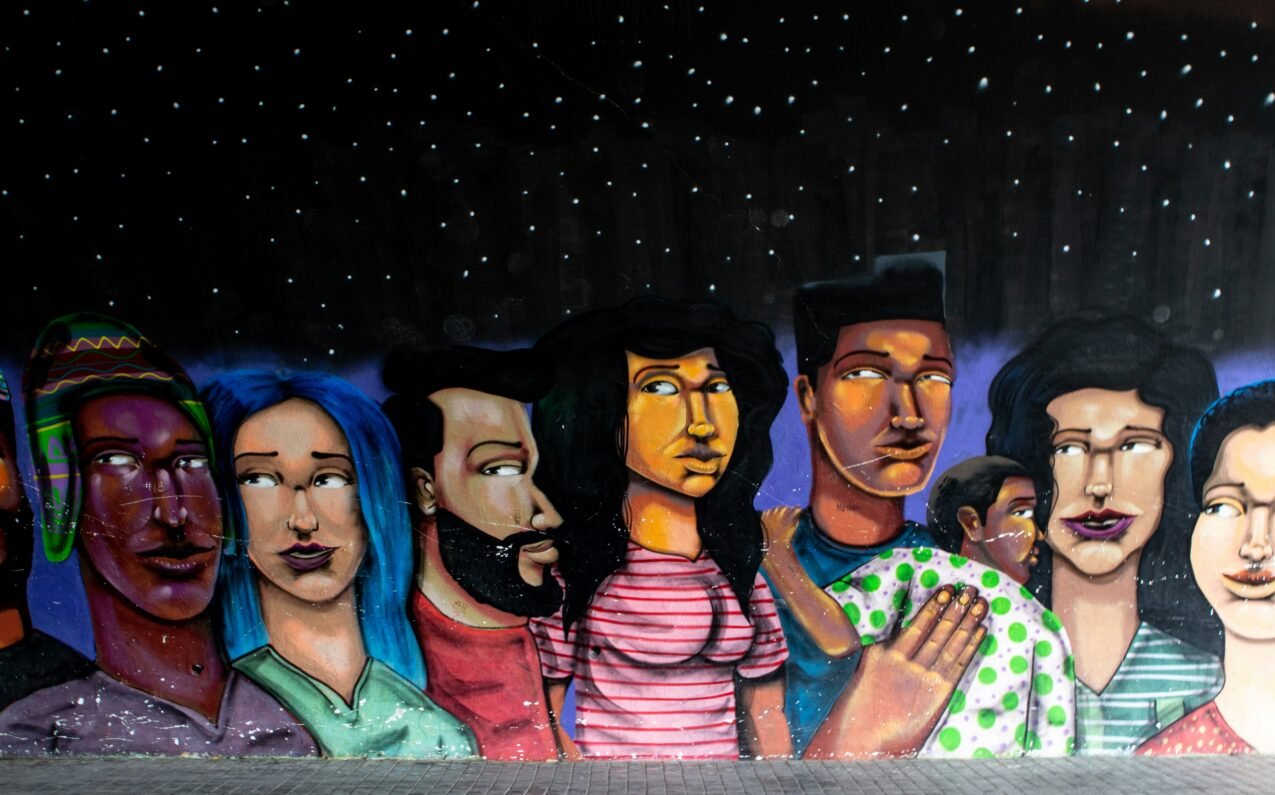
In this blog, we explore key factors that BIPOC individuals should consider when selecting a therapist including acknowledging the significance of trauma and culturally responsive care.